


The Importance of Dance in Psychology
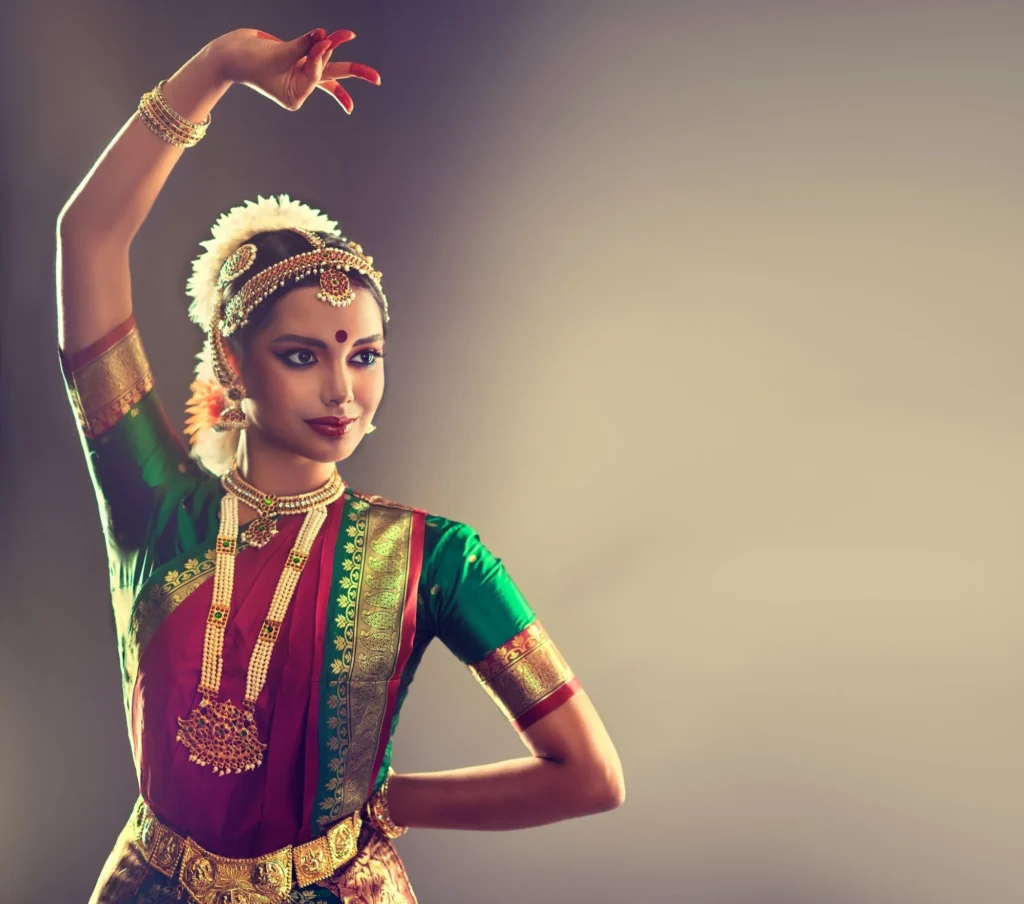
Dance is a beautiful way to combine physical activity and emotional expression. It benefits both the body and the mind, making it a powerful tool for overall well-being.
Physical Benefits of Dance
1. Improves Fitness
Dancing increases stamina, strengthens muscles, and enhances flexibility, helping you stay physically fit.
2. Boosts Heart Health
Dance is a great cardiovascular workout that keeps your heart healthy and improves circulation.
3. Enhances Balance and Coordination
Learning dance steps improves your balance, coordination, and posture.
4. Weight Management
Regular dancing burns calories, making it an enjoyable way to maintain a healthy weight.
Mental Benefits of Dance:
1. Reduces Stress and Anxiety
Dancing helps release stress and tension, promoting relaxation and a sense of calm.
2. Boosts Mood
Movement and music together trigger the release of endorphins, improving happiness and reducing feelings of sadness.
3. Increases Confidence
Mastering new dance skills boosts self-esteem and helps you feel more confident in your abilities.
4. Stimulates the Brain
Remembering steps and coordinating movements challenge your brain, improving memory and focus.
5. Supports Emotional Expression
Dance provides a non-verbal way to express feelings, helping to process emotions and promote emotional healing.
In psychology, dance is often used as a therapeutic tool to help individuals overcome mental health challenges and improve their quality of life. By integrating physical activity with emotional connection, dance offers a holistic way to support both physical and mental health.